What Is Social Media Management?
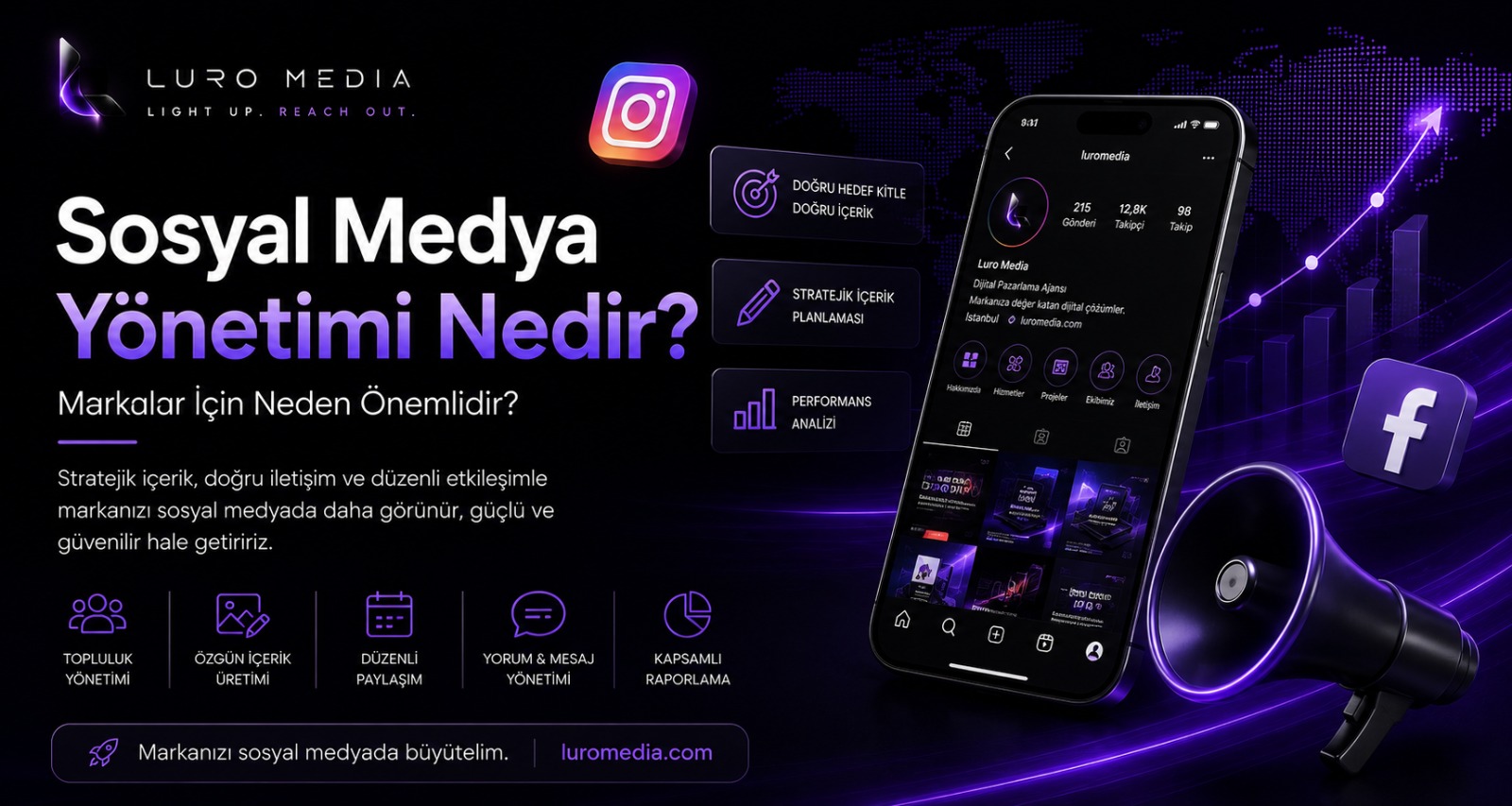
Social media management is the strategic process of planning, creating, publishing and analyzing a brand's presence across platforms such as Instagram, Facebook, LinkedIn and TikTok.
Professional social media management involves much more than publishing posts regularly. A successful strategy considers the brand's audience, identity, communication style, industry and marketing objectives.
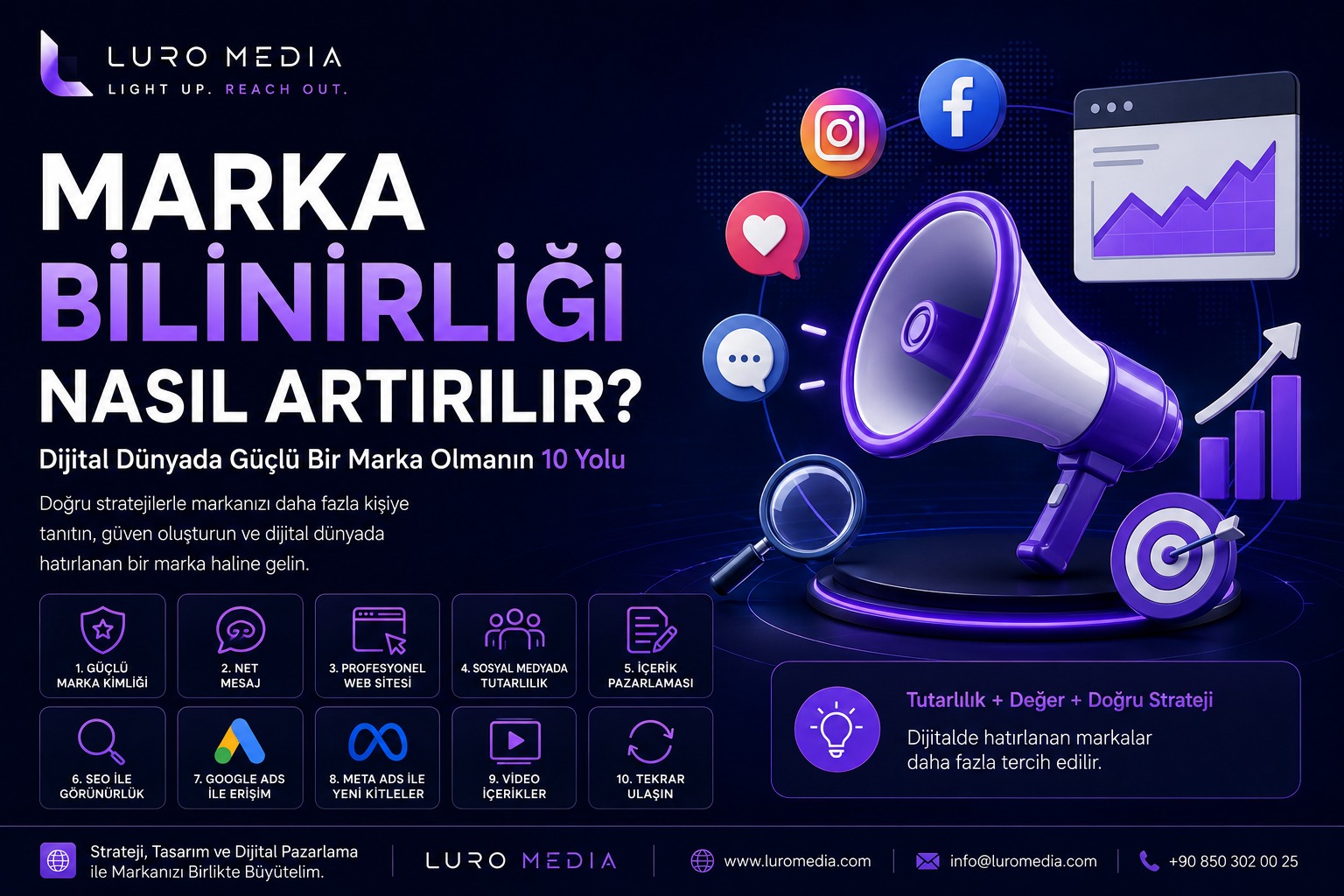
When managed effectively, social media can help brands improve digital visibility, communicate with their audiences and build stronger relationships with potential customers.
Why Is Social Media Management Important?
Social media platforms have become important digital touchpoints between businesses and consumers.
Before purchasing a product or contacting a company, potential customers may review its Instagram profile, recent posts, comments and overall digital presence.
An inactive or inconsistent profile can create a poor first impression, while a professionally managed account can help communicate credibility and activity.
Potential benefits of professional social media management include:
- Increasing brand awareness
- Building a professional digital presence
- Communicating consistently with audiences
- Promoting products and services
- Driving website traffic
- Reaching potential customers
- Supporting brand credibility
- Supporting advertising campaigns with stronger content
- Monitoring customer feedback
- Building a long-term digital community
What Does Social Media Management Include?
Professional social media management combines multiple processes including strategy, content production, creative design, publishing, community management and performance analysis.
Common social media management activities include:
- Brand and industry analysis
- Competitor research
- Audience analysis
- Social media strategy
- Content calendar planning
- Post design
- Reels and video planning
- Caption writing
- Topic and hashtag research
- Publishing and scheduling
- Comment and message management
- Performance reporting
What Is a Social Media Strategy?
A social media strategy defines what a brand communicates, who it communicates with, why it communicates and which channels and formats it uses.
Publishing attractive content without a clear strategy may generate activity but may not effectively support business objectives.
A new brand may focus on awareness, while an e-commerce company may prioritize product sales. A B2B company may focus on lead generation and enquiries.
For this reason, there is no single social media strategy that works for every business.
Why Is Audience Analysis Important?
Brands need to understand who they are communicating with.
Audience demographics, interests, needs, preferred platforms and content consumption habits can influence both the format and communication style of social media content.
Short-form video may be particularly useful for reaching some younger audiences, while LinkedIn content may be more relevant for certain B2B companies.
How Is a Content Strategy Created?
Not every social media post should attempt to sell a product or service directly.
A balanced content strategy can combine different content categories designed for different stages of the customer relationship.
Content categories may include:
- Educational content
- Informational content
- Product and service promotion
- Customer stories and references
- Brand stories
- Industry insights
- Questions and answers
- Reels and short-form videos
- Campaign announcements
- Interactive content
What Is a Social Media Content Calendar?
A content calendar defines which content will be published, on which platform and on which date.
Planning content in advance helps brands maintain consistency and prepare for campaigns, product launches, important dates and announcements.
How Should Instagram Be Managed?
Instagram can be an important platform for visual communication, brand discovery and customer interaction.
Professional Instagram management considers profile structure, bio, visual identity, posts, Reels, Stories, captions, calls to action and community interaction together.
Important Instagram management elements can include:
- Professional profile image
- Clear bio
- Correct website link
- Consistent visual identity
- High-quality post design
- Reels
- Stories
- Effective calls to action
- Comment and message responses
- Performance analysis
Why Are Reels and Video Content Important?
Short-form video has become an important part of how users consume social media content.
Reels and similar formats can help brands explain products, services, processes and stories in a dynamic way.
However, brands should not simply copy every trend. Video content should remain relevant to the brand's identity, audience and objectives.
Why Is Brand Identity Important on Social Media?
Social media is an extension of a company's overall brand identity.
Consistent use of logos, colors, typography, imagery and design systems can make a brand easier to recognize.
A strong visual identity helps create consistency across posts and different digital channels.
Social Media Management vs. Meta Ads
Organic social media management and Meta Ads support each other but serve different purposes.
Organic management focuses on content, community and long-term brand presence. Meta Ads uses paid advertising to reach selected audiences and support specific marketing objectives.
Strong organic content can also support paid campaigns. When users see an advertisement and later visit the brand's Instagram profile, an active and professional presence can contribute to trust.
Can Social Media Increase Sales?
Social media can act as a direct sales channel or support different stages of the customer journey.
A user may discover a brand through a Reel, explore its profile, visit its website and contact the company later.
For this reason, social media performance should not be measured using likes alone.
Is Follower Count Everything?
A large follower count does not automatically indicate successful social media management.
A smaller but highly relevant and engaged audience can be more valuable than a large audience with little interest in the company's products or services.
Engagement quality, profile visits, website clicks, enquiries, leads and conversions should also be considered.
How Often Should Brands Post?
There is no universal posting frequency for every brand.
The appropriate frequency depends on the platform, industry, audience, strategy and available content resources.
Consistency and quality are generally more important than publishing low-quality content simply to post every day.
How Is Social Media Performance Measured?
Professional social media management requires regular performance analysis.
Useful social media metrics can include:
- Reach
- Impressions
- Engagement
- Saves
- Shares
- Profile visits
- Follower growth
- Website clicks
- Messages
- Leads
- Conversions
Common Social Media Management Mistakes
- Posting without a strategy
- Using identical content across every platform
- Publishing only promotional content
- Ignoring brand identity
- Posting inconsistently
- Ignoring audience analysis
- Leaving comments and messages unanswered
- Focusing only on follower count
- Using low-quality visuals
- Following every trend without considering brand relevance
- Failing to analyze performance
Why Work with a Social Media Agency?
A professional social media agency can approach content production from both creative and strategic perspectives.
Coordinating brand analysis, competitor research, content planning, design, copywriting, publishing and performance analysis can help businesses create more consistent digital communication.
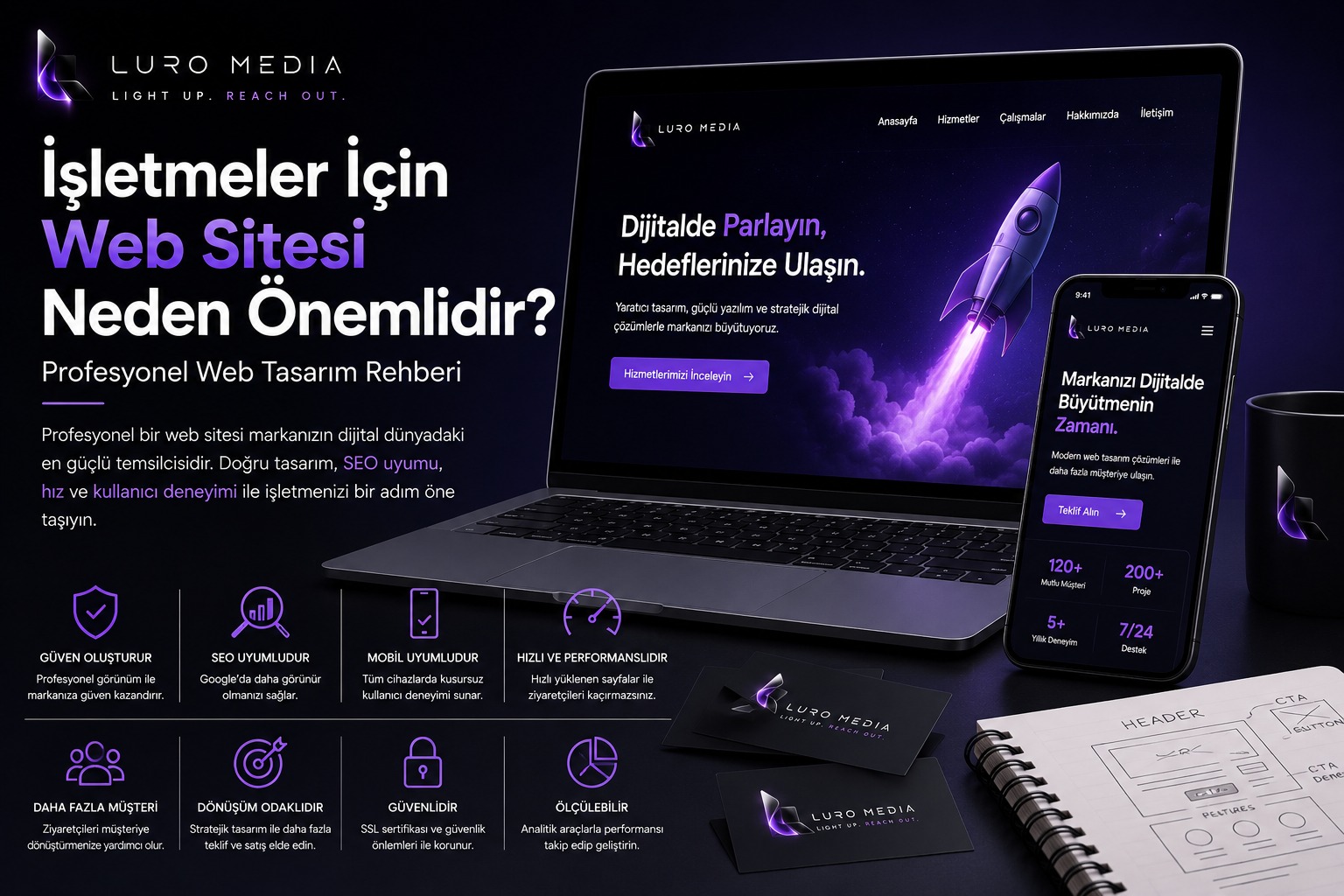
Social media can also be integrated with Meta Ads, web design, brand identity and other digital marketing activities.
Professional Social Media Management with Luro Media
At Luro Media, we approach social media management as more than simply designing and publishing posts.
We aim to develop strategies based on each brand's industry, target audience, competitors, visual identity and digital objectives.
From content planning and creative production to communication and performance analysis, we approach social media as an integrated process.
When appropriate, social media management can also be supported by Meta Ads, Google Ads, web design and brand identity services to create a consistent digital presence.
Our objective is not simply to publish more content or increase follower numbers, but to help brands establish professional and sustainable communication with their audiences.
Conclusion
Social media management plays an important role in how modern brands build visibility, communicate and develop their digital identity.
A successful strategy combines audience analysis, quality content, consistent branding, regular communication, community management and performance measurement.
If you want to develop a professional social media strategy and strengthen your brand's digital communication, contact Luro Media.