What Is Corporate Identity?
Corporate identity is the complete system of visual and communication elements that define how a company presents itself to customers, audiences and business partners.
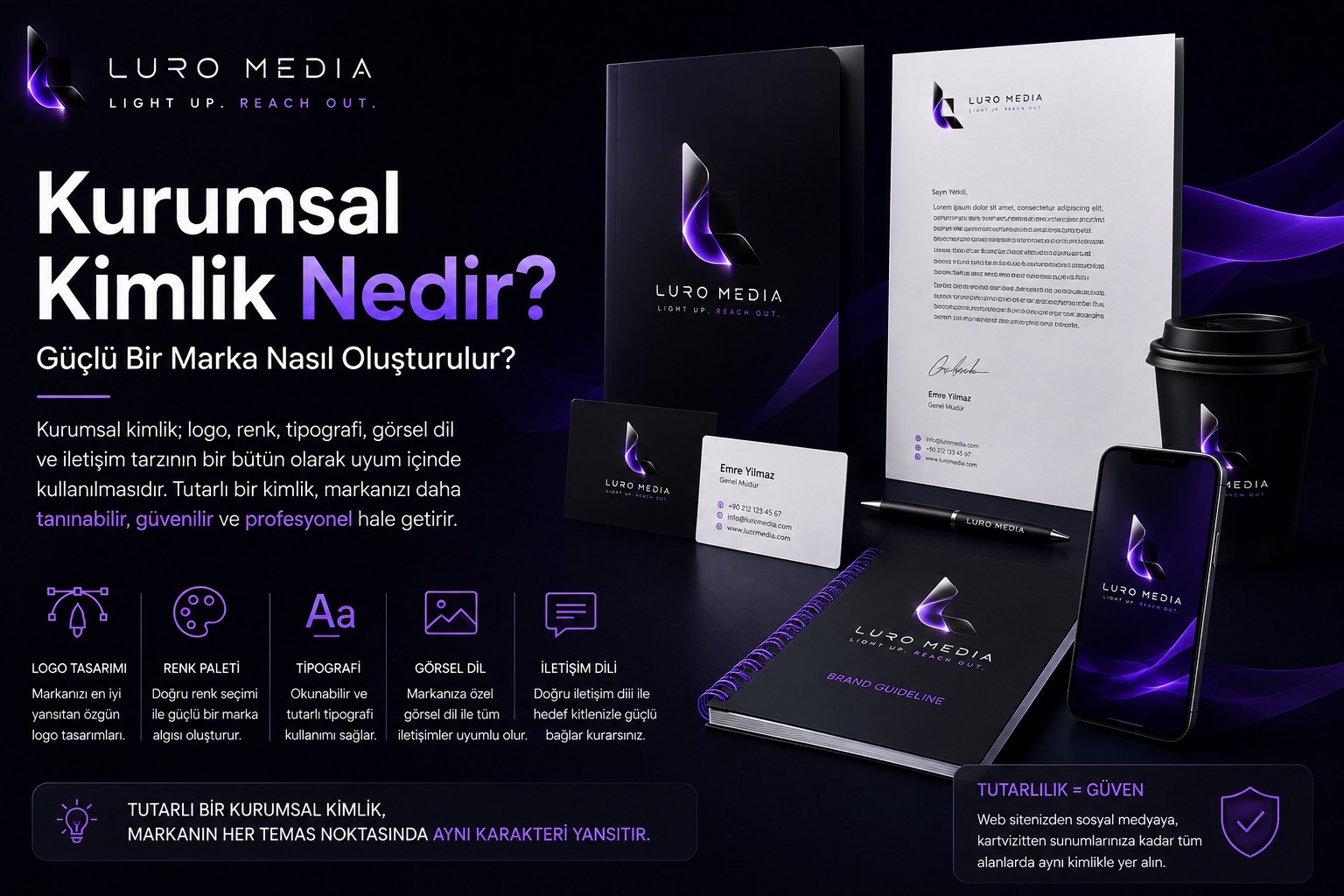
A logo, color palette, typography, visual language, corporate materials and communication style can all form part of a company's identity.
A professional corporate identity is not created simply to make a brand look attractive. It helps establish recognition, consistency and a distinctive position across different communication channels.
Why Is Corporate Identity Important?
A potential customer may encounter your brand for the first time through your website, Instagram account, advertisement, business card or another communication channel.
The visual experience during this first interaction can influence how professional and trustworthy the brand appears.
Consistent use of colors, typography, imagery and other design elements can help a brand maintain the same character across multiple platforms.
Potential benefits of a strong corporate identity include:
- Supporting brand awareness
- Creating a professional appearance
- Improving brand recognition
- Helping the brand differentiate from competitors
- Creating visual consistency across digital channels
- Supporting brand credibility
- Creating more consistent marketing communication
- Supporting long-term brand value
Are Corporate Identity and Logo Design the Same?
No. A logo is an important component of corporate identity, but it does not represent the entire identity system.
Corporate identity can include the logo, colors, typography, iconography, visual rules, social media design language and various corporate materials.
If the logo is the signature of a brand, corporate identity can be considered its complete visual character.
What Are the Main Elements of Corporate Identity?
1. Logo Design
A logo is one of the most recognizable elements of a brand.
An effective logo should reflect the brand's character, remain recognizable at different sizes and work across digital and printed applications.
2. Color Palette
Colors play an important role in creating a consistent visual experience.
Defining primary and supporting colors helps maintain consistency across websites, social media, advertising and printed materials.
3. Typography
Typography defines the fonts and text hierarchy used by the brand.
Consistent typography across headings, paragraphs and other communication materials contributes to a unified visual identity.
4. Visual Language
Photography, illustration, icons, graphics and other visual elements should follow a recognizable design system.
This allows different materials to feel connected even when they are created for different platforms.
5. Brand Voice
Corporate identity is not limited to visual design. How a brand communicates with its audience is also important.
The brand may communicate in a professional, friendly, technical, premium or minimal style depending on its positioning and audience.
How Is Corporate Identity Designed?
Professional corporate identity design should begin with understanding the brand rather than immediately designing a logo.
A corporate identity process may include:
- Brand analysis
- Industry research
- Competitor analysis
- Audience analysis
- Brand positioning
- Visual concept development
- Logo design
- Color palette development
- Typography selection
- Visual language development
- Corporate material design
- Brand guideline creation
Why Is Brand Analysis Important?
Before creating a visual identity, it is important to understand what the brand represents.
The audience, products, services, competitive advantages, market positioning and long-term objectives can all influence design decisions.
A premium company, for example, may require a completely different visual system from a dynamic technology startup targeting younger audiences.
Why Is Competitor Analysis Important?
Competitor research helps identify common visual patterns within an industry and opportunities for differentiation.
The objective is not to copy competitors but to understand the market and develop a distinctive identity for the brand.
What Makes a Good Logo?
A professional logo should work beyond a large desktop screen.
It may need to appear on websites, social media profiles, mobile devices, business cards, signage and advertising materials.
A strong logo should generally be:
- Recognizable
- Relevant to the brand
- Readable at different sizes
- Suitable for digital and print applications
- Functional in monochrome
- Free from unnecessary complexity
- Designed for long-term use
How Do Colors Influence Brand Perception?
Color can influence the first impression users form about a brand.
However, colors should not be selected only according to generic color meanings. Industry, competitors, audience and brand positioning should also be considered.
The objective is to develop a consistent color system that works across different brand applications.
What Is a Brand Guideline?
A brand guideline is a document that explains how a brand's identity should be applied.
It becomes particularly useful when multiple designers, agencies or teams work with the same brand.
A brand guideline may include:
- Logo usage rules
- Logo clear space
- Minimum logo sizes
- Incorrect logo usage examples
- Brand color codes
- Typography
- Iconography
- Photography style
- Social media design rules
- Print applications
What Can a Corporate Identity Package Include?
- Primary logo
- Alternative logo versions
- Brand symbol
- Favicon
- Color palette
- Typography system
- Business card design
- Letterhead
- Email signature
- Social media profile assets
- Social media templates
- Presentation templates
- Corporate document designs
- Brand guidelines
Corporate Identity and Web Design
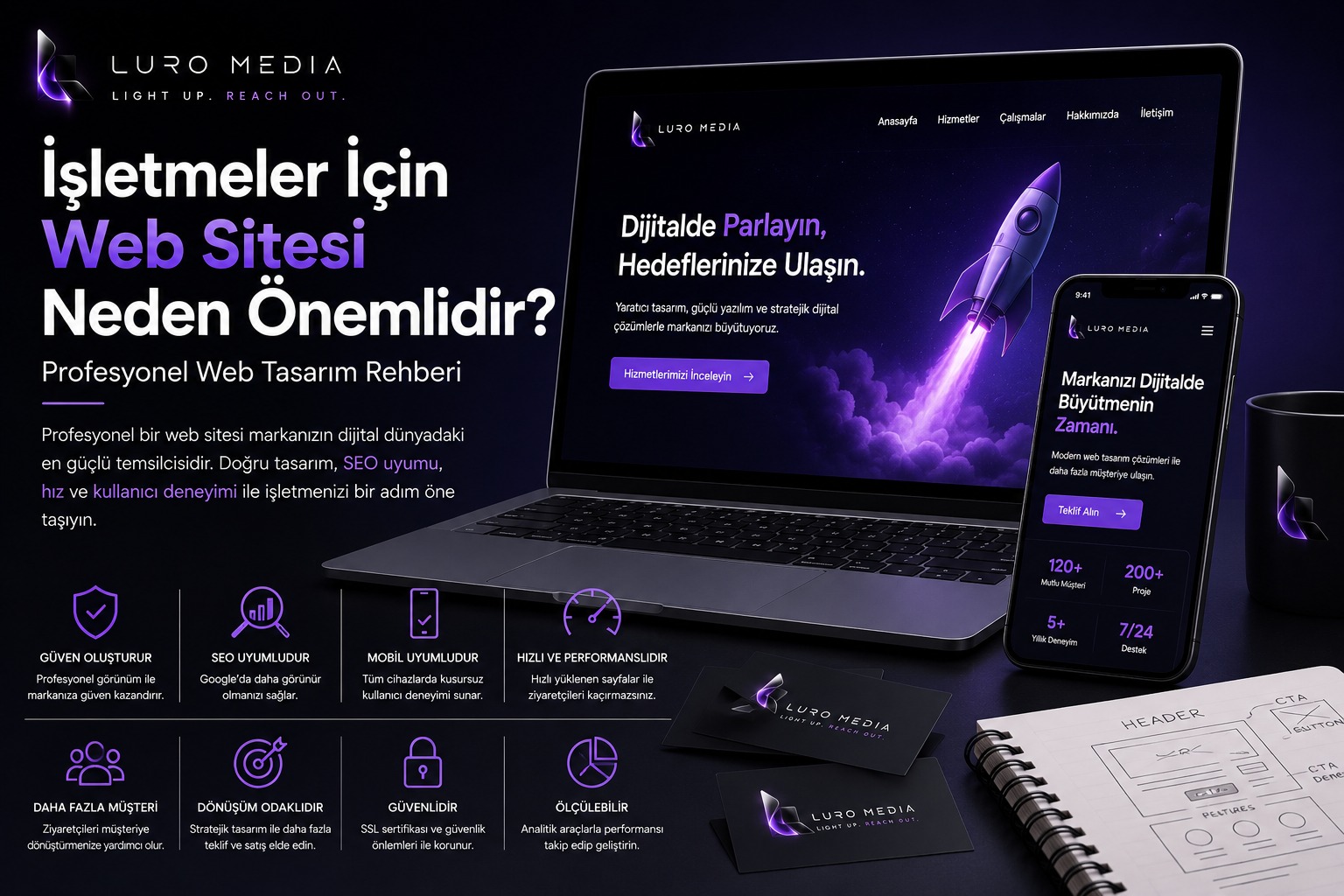
A website is one of the most important digital applications of corporate identity.
Colors, typography, imagery, icons and other elements established within the brand identity should be reflected consistently in web design.
When a website, social media profile and advertisements all use completely different visual styles, the overall brand experience can become fragmented.
Corporate Identity and Social Media
Social media is one of the places where customers frequently interact with a brand's visual identity.
Consistent design across Instagram posts, Stories, Reels covers and advertising creatives can help improve recognition.
A defined identity system also makes ongoing social media content production more efficient.
Can Corporate Identity Affect Advertising?
Visual materials used in Google Ads, Meta Ads and other campaigns can create a user's first impression of a company.
Professional and consistent creatives can contribute to a stronger brand experience.
When users move from an advertisement to a website or social media profile and encounter the same visual language, the customer journey becomes more consistent.
Why Is Brand Consistency Important?
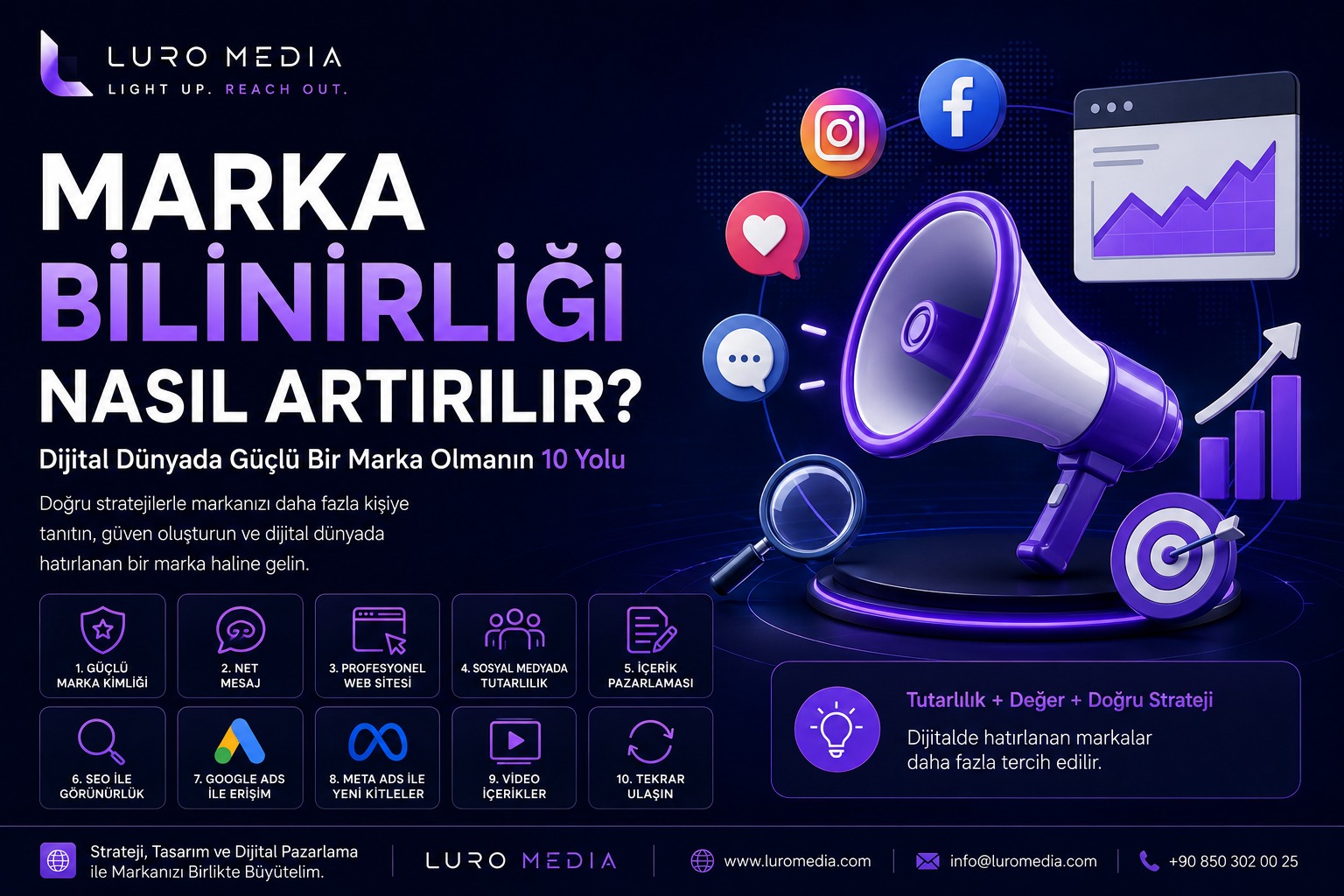
Brand awareness is rarely created through a single advertisement or social media post.
Repeated exposure to consistent logos, colors, typography and visual styles can make a brand easier to recognize over time.
Common Corporate Identity Mistakes
- Focusing only on the logo
- Directly copying competitors
- Using too many colors
- Choosing incompatible fonts
- Ignoring the target audience
- Failing to establish logo usage rules
- Using different visual styles on every platform
- Following trends without considering longevity
- Ignoring mobile applications
- Not considering long-term brand objectives
When Should a Brand Consider Rebranding?
An older logo does not automatically need to be replaced. However, rebranding may become relevant when the existing identity no longer represents the company accurately.
Rebranding may be considered when:
- The target audience changes
- The company enters new markets
- Products or services change significantly
- The existing design becomes outdated
- The brand no longer appears professional
- The identity cannot be used consistently across platforms
- The company undergoes a major transformation
Professional Corporate Identity Design with Luro Media
At Luro Media, we approach corporate identity as more than simply creating a logo.
We aim to understand the brand's industry, audience, competitors and digital objectives before developing a visual system that reflects its character.
From logo design and color palettes to typography and social media design systems, we approach different brand touchpoints as parts of one integrated identity.
When appropriate, corporate identity can also be integrated with web design, social media management, Google Ads and Meta Ads to create a more consistent digital presence.
Our objective is not simply to create an attractive design, but to help brands establish a professional, recognizable and sustainable identity.
Conclusion
Corporate identity is one of the fundamental elements of building a strong brand.
Consistent use of logos, colors, typography, visual language and communication style helps brands maintain the same character across different platforms.
If you want to develop a professional and distinctive corporate identity for your business, contact Luro Media.